 Colour Science
Colour Temperature Guide for Apartment Rooms
How Kelvin values — from warm 2700K to daylight 5000K — affect the perception of space, comfort, and visual clarity in different room types.
A practical reference covering contemporary lighting fixtures, colour temperature selection, and spatial zoning approaches for apartment interiors across Poland.
Three in-depth articles covering the main aspects of apartment lighting — from technical specifications to practical installation considerations.
Colour Science
How Kelvin values — from warm 2700K to daylight 5000K — affect the perception of space, comfort, and visual clarity in different room types.
 Spatial Planning
Strategies for separating functional areas through layered lighting in single-room and loft-style apartments — a format increasingly common in Polish cities.
 Fixtures
An overview of ceiling-mounted, recessed, wall-mounted, and portable fixture categories — with notes on how each serves specific functional and atmospheric roles.
Polish residential construction has shifted markedly towards energy-efficient lighting since the EU adopted updated standards under the Ecodesign Regulation. The transition away from incandescent bulbs, completed by 2023 in the EU, accelerated LED adoption across both new-build and renovated apartment stock.
Contemporary apartment interiors in Warsaw, Kraków, and Wrocław increasingly use layered lighting approaches — a combination of ambient, task, and accent layers — rather than relying on a single ceiling fixture. This shift reflects both evolving interior design preferences and the reduced cost of multi-circuit LED installations.
Colour temperature selection has become a standard consideration during renovation planning. Warm white (2700–3000K) remains dominant in living and sleeping areas, while cooler tones (4000–5000K) are preferred in kitchens and bathrooms where task accuracy matters more than ambience.

The base layer of illumination for a room. Typically provided by ceiling-mounted fixtures, recessed downlights, or cove lighting. Sets overall brightness and influences how spacious a room appears.
Directed illumination for specific activities — reading, cooking, working at a desk. Pendant lights over kitchen islands, under-cabinet strips, and desk lamps fall into this category.
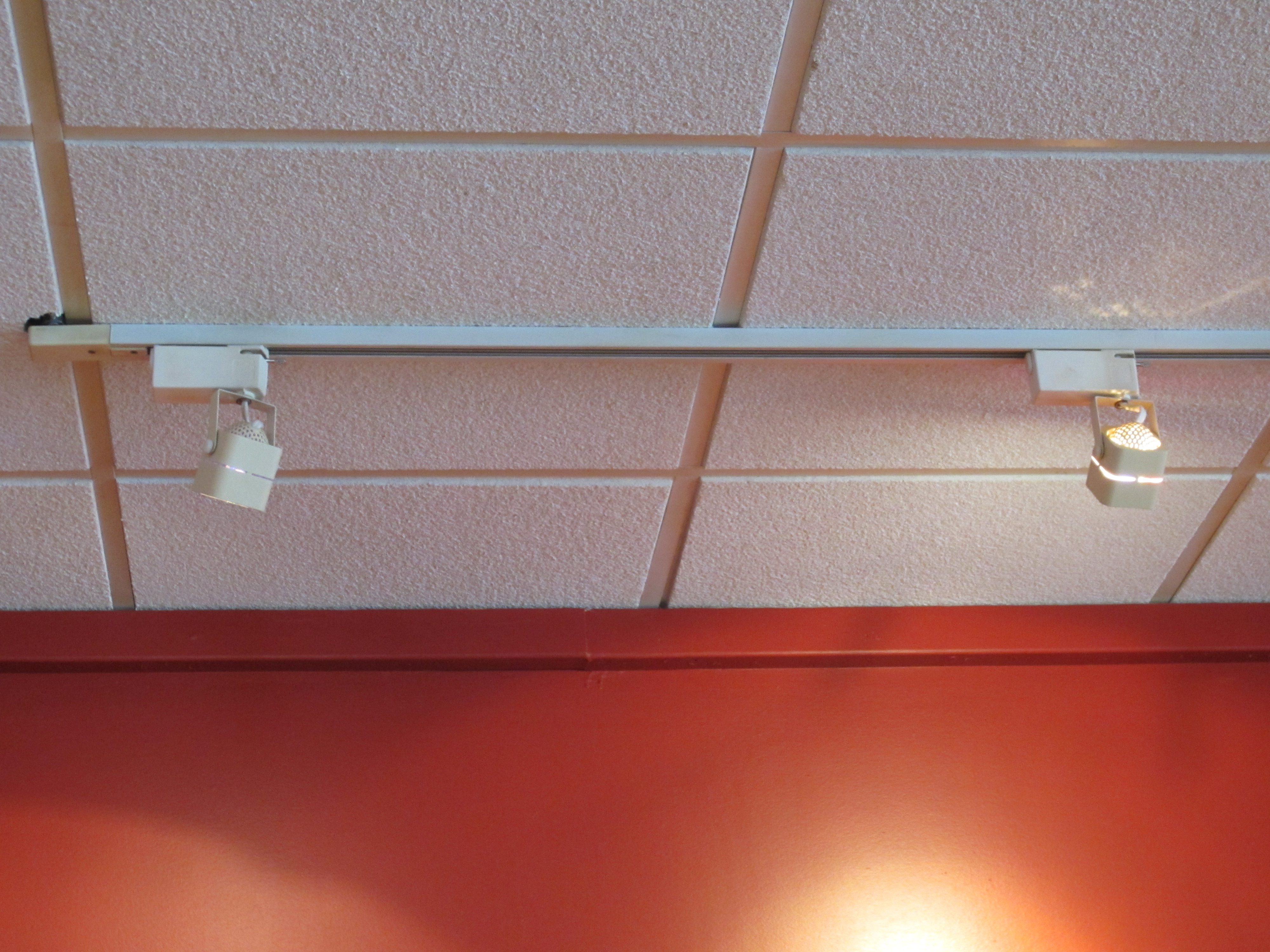
Used to draw attention to architectural features, artwork, or decorative elements. Wall sconces, adjustable spotlights, and LED strips placed behind shelving serve this purpose.